
Seasonal Indoor Plants for Year-Round Home Enhancement
Chosen theme: Seasonal Indoor Plants for Year-Round Home Enhancement. Bring the changing seasons into your living space with plant rotations that refresh your mood, color, and air. Explore practical care, heartfelt stories, and design-forward ideas—and subscribe to get seasonal reminders that keep your home vibrant all year.
Why Seasons Belong Inside Your Home
Light, Temperature, and the Indoor Climate
Even indoors, seasons shift: sunlight angles change, windows draft, and heaters dry the air. Seasonal indoor plants thrive when you match their needs to these rhythms—moving shade lovers farther from summer glare, grouping humidity lovers in winter, and choosing varieties that flourish under your home’s real conditions.
Anchor Plants vs. Seasonal Accents
Build a reliable backbone with anchor plants—ZZ, snake plant, or rubber tree—then rotate seasonal accents like hyacinths in spring, monstera cuttings in summer, maranta in autumn, and Christmas cactus in winter. This approach keeps maintenance steady while transforming the look and feel of your rooms across the year.
A Personal Snapshot
Last winter, I swapped a tired sideboard vignette for a trio of blooming amaryllis, a trailing pothos, and a cinnamon-scented pinecone bowl. Friends asked if I’d redecorated. I simply curated seasonal indoor plants, proving gentle, timely changes can make a home feel freshly designed without replacing a single piece of furniture.
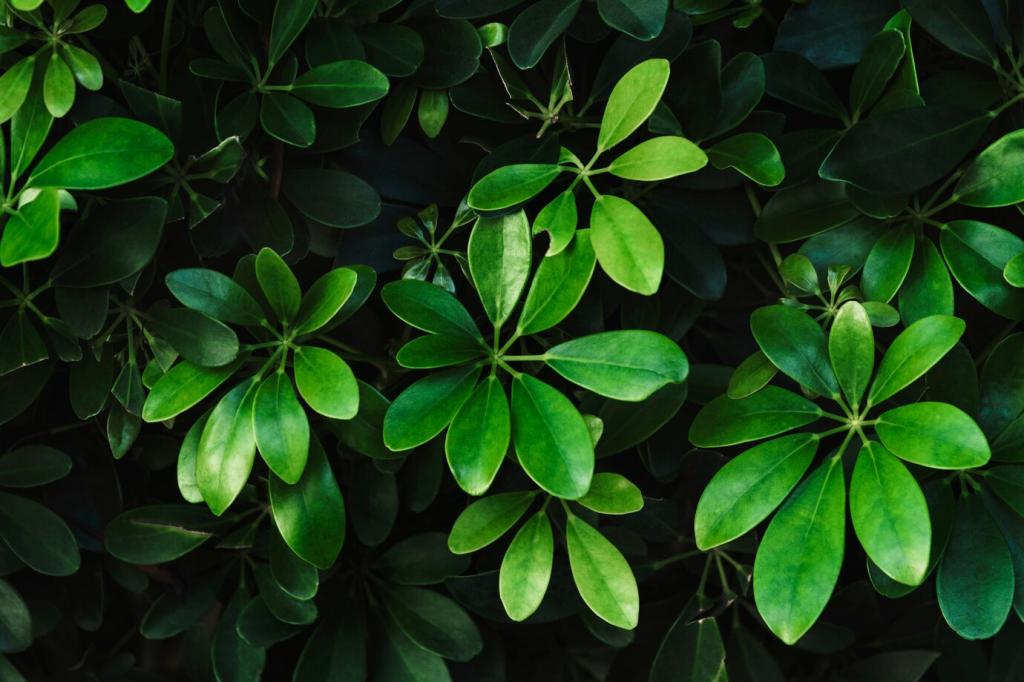
Force paperwhites, hyacinths, or miniature daffodils in bright, indirect light for a burst of scent and color. Keep water just below bulb bases, rotate for straight stems, and note pet safety. Share your favorite spring bulb pairings and we’ll feature standout combos in our next seasonal roundup.

Basil, mint, and chives love a bright sill and reward consistent care with fresh flavor. Trim often to encourage bushiness, water before wilting, and repot when roots circle. Post your best herb-infused breakfast or mocktail idea and inspire others to weave seasonal indoor plants into everyday routines.
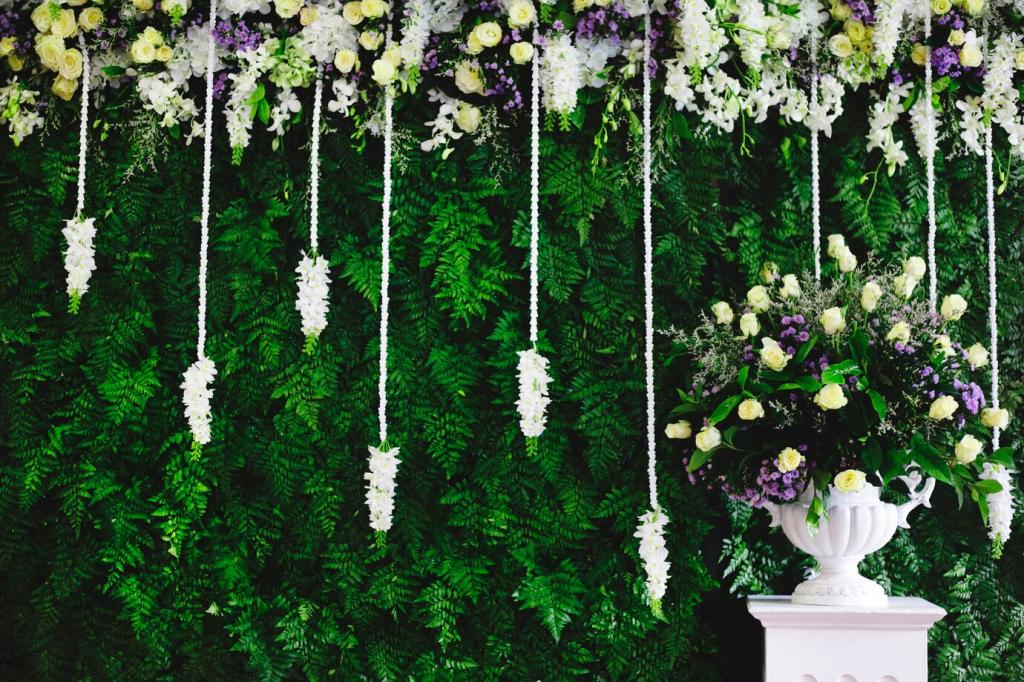
Boston and maidenhair ferns adore stable moisture and gentle light. Elevate pots on pebble trays, group plants to raise humidity, and mist early so fronds dry by nightfall. Share your fern corner photos, and subscribe for our spring checklist that includes pruning cues and easy soil-refresh tips.
Summer Lushness: Heat, Light, and Bold Foliage
Tropical Vibes Near Bright Windows
Monstera, philodendron, and bird of paradise flourish in bright, indirect light. Filter harsh sun with sheer curtains, rotate weekly to prevent leaning, and dust leaves for efficient photosynthesis. Comment with your sunniest window orientation, and we’ll suggest plant matches tailored to your summer light map.
Hydration Without Overwatering
Heat accelerates evaporation, but roots still need air. Water deeply, then allow the top inch to dry; check moisture with a fingertip or meter. Early morning watering reduces stress. Share your watering routine and receive a simple reminder schedule that suits your summer environment and plant collection.
Patio-to-Living-Room Travelers
Many houseplants enjoy a protected balcony vacation. Harden them off over a week, shade mid-day sun, and bring them in before nights drop below 55°F (13°C). Inspect for pests carefully. Tell us which plants you summer outdoors, and we’ll compile a crowd-tested guide for smooth seasonal transitions.
With less light, succulent growth slows and watering must follow. Provide the sunniest sill, rotate weekly, and water only when soil is completely dry. Share your favorite low, wide succulent bowls, and we’ll feature designs that pair seasonal indoor plants with candles, books, and mellow evening rituals.
Autumn Glow: Texture, Color, and Calm
Winter Glow: Low Light, High Comfort
Champions of Shade
ZZ plant, snake plant, and pothos tolerate low light and irregular watering. Wipe leaves to maximize limited light, reduce feeding, and keep pots away from radiators. Share your winter survival lineup, and we’ll send a quick-start guide to stress-free seasonal indoor plants for the darkest months.
Blooming Bright in the Cold
Christmas cactus, cyclamen, and amaryllis bloom indoors when skies are gray. Offer cool nights to set buds, indirect light by day, and careful watering. Tell us your bloom stories—grandmother’s heirloom cactus or first successful amaryllis—and inspire others to invite color into winter corners.
Light Boosters and Microclimates
Use full-spectrum grow lights (5000–6500K) twelve inches above foliage for 10–12 hours. Add humidity with bowls or a humidifier, and shield from drafts. Post your light setup, and subscribe for our winter checklist covering timers, humidity targets, and safe, beautiful cable management tips.
Spring: repot, prune, and feed. Summer: train vines and deep-water. Autumn: edit displays and clean leaves. Winter: rest plants and boost light. Comment with your climate zone, and we’ll send a month-by-month rotation checklist tailored to your seasonal indoor plants and room exposures.
A Year-Round Plan: Rotate, Refresh, and Relish
Gather pruning shears, moisture meter, neem oil, microfiber cloths, a hygrometer, and quality potting mixes. Store everything in a small caddy. Share your must-have tools, and subscribe to receive our printable soil recipes designed for seasonal indoor plants across foliage, succulent, and blooming categories.
A Year-Round Plan: Rotate, Refresh, and Relish
Join our mailing list